
Category S / Sole Trader
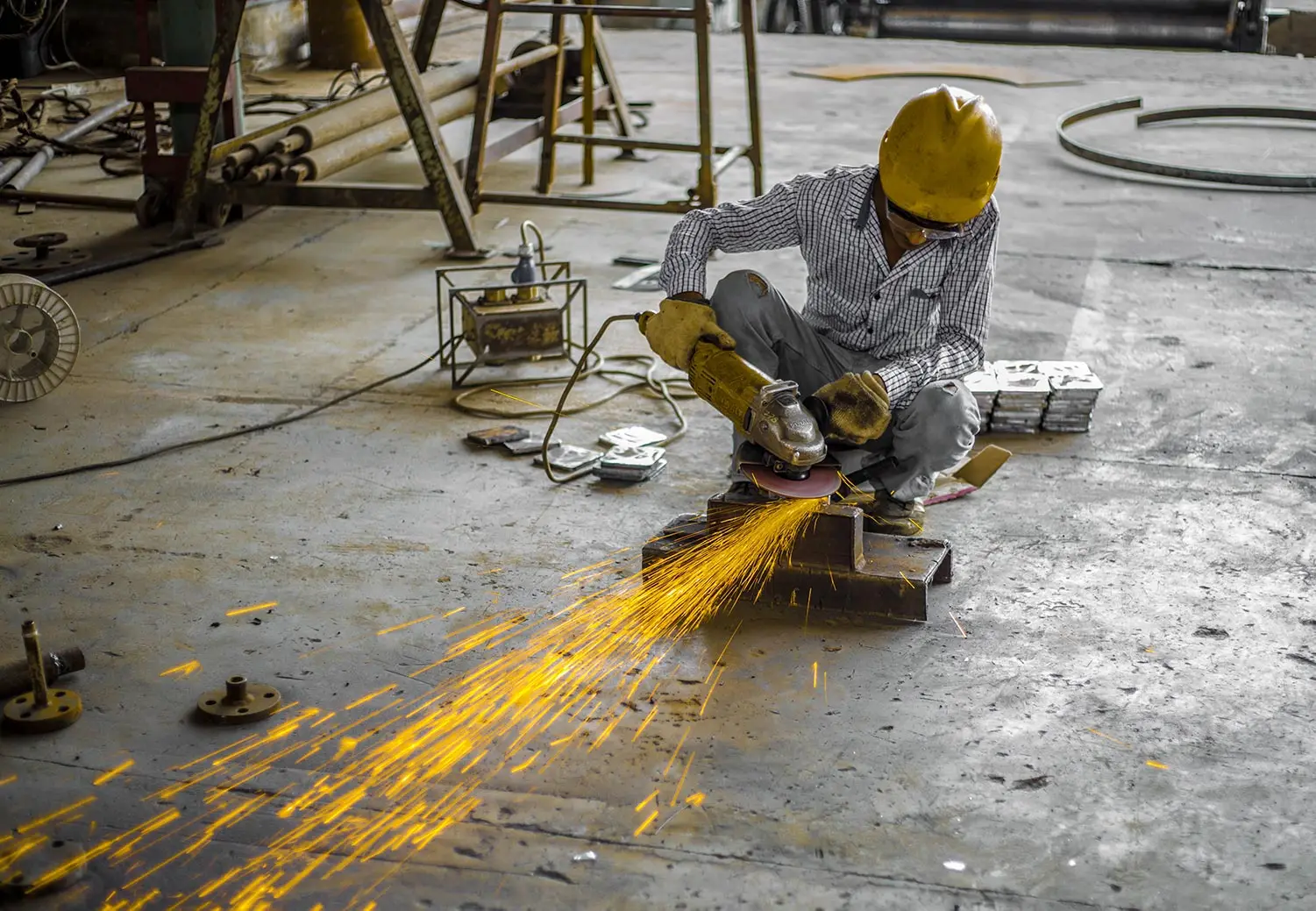
Sole trader pathway for an individual contractor working alone, without routinely engaging, managing or supervising other contractors.

Tōtika / Totika prequalification NZ
Your Tōtika category is based on your business size, work activities and contract value. Review the category guide, then use the selector for a guided result.
Before paying, please read the SHE Pre-Qual terms and conditions, including the cancellation and refund policy.
Sole trader pathway for an individual contractor working alone, without routinely engaging, managing or supervising other contractors.
Smaller regular-risk supplier pathway: no more than 20 people, contracts up to $2.5m, and no primary work activity on the high or very high risk lists.
Medium-sized or higher-risk supplier pathway: high risk primary work, more than 20 and no more than 200 people, or contracts over $2.5m and up to $20m, without a very high risk primary activity.
Large-sized or very high risk supplier pathway: more than 200 people, contracts over $20m, or a primary work activity on the very high risk list.
Your likely category depends on your company size, contract tender values and whether your main work includes high or very high risk activities. Once you know it, prepare your Tōtika evidence for your category. Your category also appears on your Tōtika certificate once your assessment is approved.
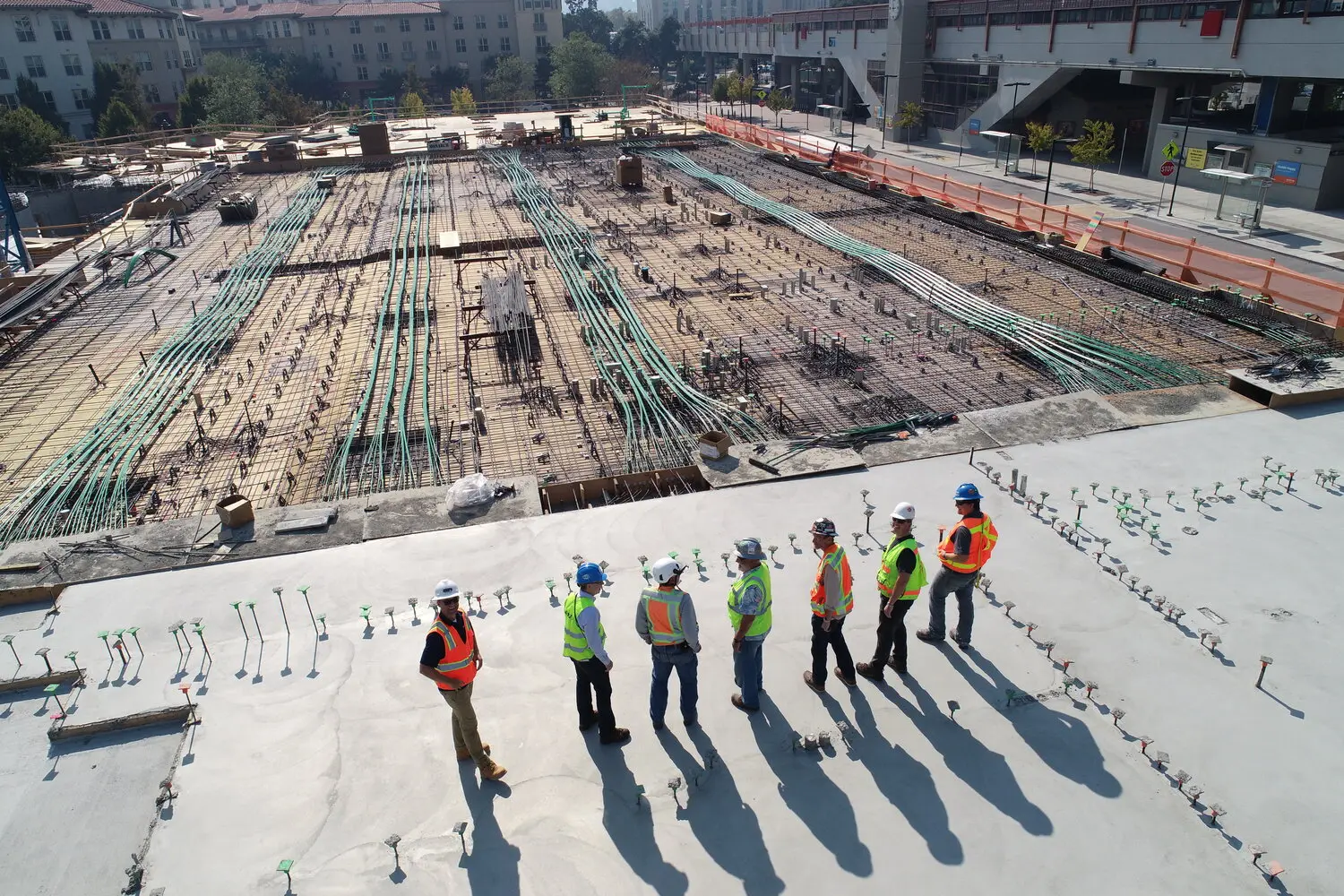
For construction work, suppliers who operate as principal contractors or designers can be allocated to any supplier category, but must meet the supplementary requirements for that role as well as the core requirements for their category.
Category guide
Use the category descriptions to understand how business size, contract value and work type affect the likely pathway. If the selector result does not clearly fit your business, ask SHE Pre-Qual before registering.
Smaller regular-risk supplier pathway: no more than 20 people, contracts up to $2.5m, and no primary work activity on the high or very high risk lists.
Medium-sized or higher-risk supplier pathway: high risk primary work, more than 20 and no more than 200 people, or contracts over $2.5m and up to $20m, without a very high risk primary activity.
Large-sized or very high risk supplier pathway: more than 200 people, contracts over $20m, or a primary work activity on the very high risk list.
Sole trader pathway for an individual contractor working alone, without routinely engaging, managing or supervising other contractors.
If one of these is your main or primary work activity, Tōtika treats the organisation as a minimum Category 3 supplier.
If one of these is your main or primary work activity, Tōtika treats the organisation as a minimum Category 2 supplier.
Interactive selector
Answer a few questions about your business, contract values and main work activities. If the result does not clearly fit your business, ask SHE Pre-Qual before registering.
Pricing
Pricing is GST exclusive. Your category determines the assessment fee and renewal period.
| Category | Price | Validity |
|---|---|---|
| Sole Trader | $280.00 | Every 2 years |
| Category 1 | $450.00 | Every 2 years |
| Category 2 | $949.00 | Annually |
| Category 3 | $1,459.00 | Annually |
Before paying, please read the SHE Pre-Qual terms and conditions, including the cancellation and refund policy.
FAQs
Your category depends on business size, the type of work you do and the value of contracts you tender for. Use the category guide before registering, and contact support if you are not sure.
The category controls the assessment pathway because Tōtika considers business size, contract tender values, and whether your main work activity is high risk or very high risk.
Yes. You can register at app.rapidcert.co.nz/signup/totika, but you will need to know your category before beginning the evaluation process. Use the category guide first or contact SHE Pre-Qual if you are unsure.
No. If you know your category, you can register and get started in RapidCert any time. Use the category guide first if you are unsure, and if you are still unsure after using the category selector, contact SHE Pre-Qual before paying.
Sole Trader and Category 1 Tōtika prequalification assessments are valid for 2 years. Category 2 and Category 3 assessments are valid for 1 year. External certifications or assessments may follow their own expiry dates.
SHE Pre-Qual Tōtika pricing is GST exclusive. Sole Trader is $280 every 2 years, Category 1 is $450 every 2 years, Category 2 is $949 annually and Category 3 is $1,459 annually. See the cost guide for what the fee covers.
Tōtika registration
Check your category first, then continue through RapidCert when you are ready to start your SHE Pre-Qual Tōtika application.
Before paying, please read the SHE Pre-Qual terms and conditions, including the cancellation and refund policy.